“Expedientes Nº08/25/BU/0017 y Nº08/25/BU/0055
Expansión internacional y consolidación de mercados para Ficosterra
Proyecto de subvención destinadas a financiar proyectos de expansión internacional de las PYMES de Castilla y León (2025), con el objetivo de impulsar su presencia en nuevos mercados exteriores y fortalecer su competitividad a nivel global”
Ficosterra receives QIA Award in the national phase
November 5, 2018
Ficosterra receives the international QIA award for innovation
March 1, 2019The Role of Microorganisms in 21st Century Agriculture
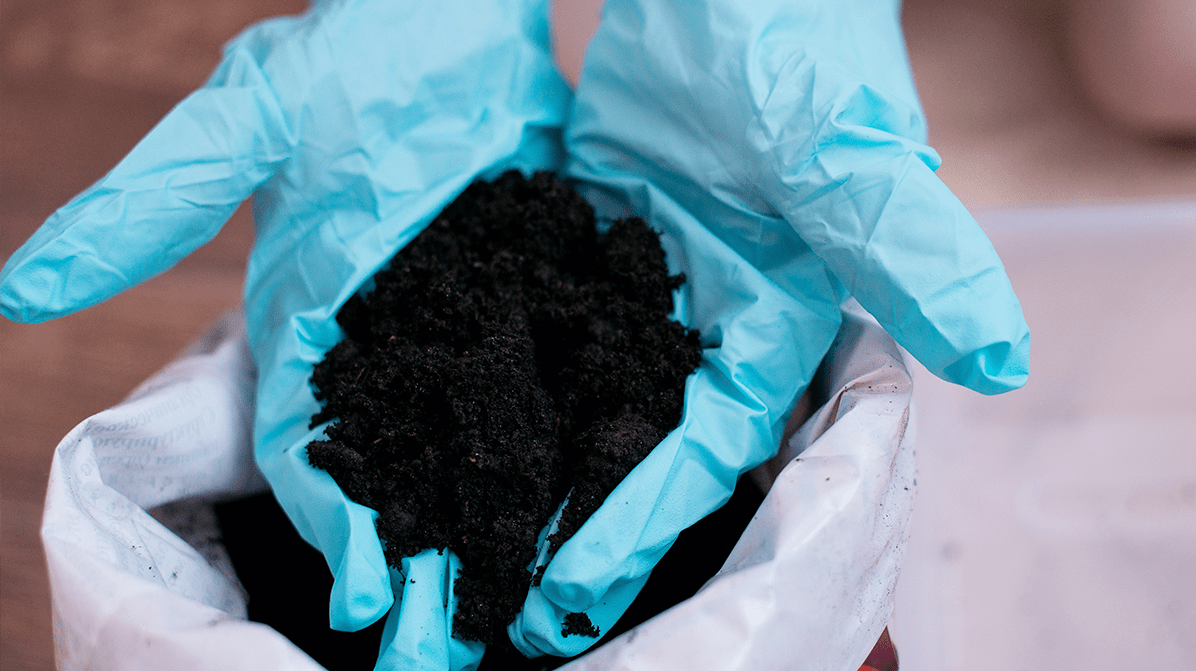
Microorganisms are essential components of the soil, playing a crucial role in the development and health of crops and plants. These invisible allies interact with plant roots in the rhizosphere, the soil zone surrounding the roots, where the concentration of microorganisms and bacterial biomass is significantly higher.
Microorganisms:
Key to a fertile soil
In a healthy soil, microorganisms establish a long-term symbiotic relationship with plants, releasing beneficial metabolites and mobilizing blocked nutrients to make them more easily absorbed. Additionally, they contribute to plant protection against external pathogens. This natural activity results in stronger, healthier, and more resilient crops.
However, when the soil is depleted or lacks essential nutrients, this natural cycle is disrupted, making it necessary to introduce biofertilizers that help restore balance and optimize conditions for microbiota development.

The contribution of Biological Crop Booster (BCB) technology to soil fertility
At Ficosterra, we have developed Biological Crop Booster (BCB) technology, in which four strains of microorganisms work together in the soil to regenerate it, release blocked nutrients, improve soil structure, and promote the natural balance between microflora and microfauna.
Key Benefits of BCB technology
01
Soil regeneration:
Improves soil structure, increasing aeration and water retention capacity.
02
Nutrient release:
Microorganisms break down organic matter and make essential nutrients such as nitrogen, phosphorus, and potassium available to plants.
03
Environmental sustainability:
Reduces the need for chemical fertilizers, decreasing environmental impact.
04
Increased productivity:
Promotes root development and plant health, improving both quality and crop yield.

Ficosagro: The BCB-based biostimulant for more productive crops
Ficosagro is a microbial biostimulant developed by Ficosterra, tested in both intensive and extensive crops with outstanding results in terms of increased harvest productivity.
Benefits of Ficosagro
01
Nutrient Optimization:
Enhances the absorption of nutrients already present in the soil.
02
Stress Resistance:
Strengthens plants against adverse conditions such as drought, frost, and salinity.
As a result, crops achieve better quality, with productivity increasing between 8% and 15%, depending on the type of crop and soil conditions. Furthermore, Ficosagro enhances the organoleptic properties of the fruits.
Ficosagro is a 100% natural product, certified organic by SHC, promoting environmentally friendly agricultural practices.

Ficosturf: The biostimulant for grass and sports turf
Ficosturf is a liquid biostimulant specifically designed for sports turf, gardens, and green areas.
Through biological activation of the soil, Ficosturf—powered by BCB technology—improves turf quality by strengthening roots and promoting a stronger, greener, and more uniform growth.
Benefits of Ficosturf
01
Stronger and healthier turf:
Enhances root development, making grass more resilient to intensive sports activities and extreme weather conditions.
02
Reduction of soil compaction issues:
Optimizes soil structure, improving aeration and water infiltration.
03
Better aesthetics and functionality:
Provides a dense, intensely green lawn with excellent performance.
04
Operational sustainability:
Reduces the use of chemicals and enhances irrigation efficiency.

Microorganisms, biostimulants, and biofertilizers:
Keys to a sustainable agricultural future
Currently, around 11,000 species of bacteria and over 100,000 species of fungi and yeasts have been identified with agricultural potential. These microorganisms can mobilize essential nutrients such as phosphorus, potassium, and nitrogen, which are fundamental for plant growth.
Through years of research and numerous field trials, it has been demonstrated that the application of microbial biofertilizers is an effective tool for ensuring soil fertility and improving agricultural yields.
According to Francisco Soriano Pons, researcher and Professor of Biotechnology at the Catholic University of Valencia and former Secretary General of the Spanish Association of Agronutrient Manufacturers:
“Microorganisms are essential for maintaining soil fertility and growing healthy, vigorous crops. Although humans have been using microorganisms for over 8,000 years (in the production of beer, wine, and bread), their importance in agriculture was long overlooked. Today, more and more producers recognize their benefits as an alternative or complement to chemical fertilizers, experiencing firsthand the positive results of their application.”
The use of biostimulants such as Ficosagro and Ficosturf, powered by Ficosterra’s BCB technology, represents an innovative, effective, sustainable, and profitable alternative for agriculture and green area management.
European regulations
supporting organic fertilization

European regulations align with this approach, prioritizing soil fertilization over direct plant fertilization. The Council Regulation (EC) No 834/2007 on organic production states in its preamble:
“Organic plant production should contribute to maintaining and enhancing soil fertility as well as preventing soil erosion. Plants should preferably obtain their nutrients through the soil ecosystem rather than through soluble fertilizers added to the soil.”
This directive reflects Europe’s commitment to a more sustainable and environmentally friendly agricultural model, in line with the use of microorganisms as pillars of efficient and regenerative fertilization.
A sustainable future thanks to microorganisms
Thanks to advances in biotechnology, microorganisms have evolved from being an unknown resource to key players in 21st-century agriculture. Farmers, increasingly aware of their benefits, are adopting biostimulants and biofertilizers as a sustainable, profitable, and effective alternative to conventional fertilizers.
At Ficosterra, we are committed to developing biotechnological solutions that incorporate beneficial microorganisms into our products, ensuring their efficacy and contributing to a regenerative agricultural model that nurtures the soil, plants, and environment.