“Expedientes Nº08/25/BU/0017 y Nº08/25/BU/0055
Expansión internacional y consolidación de mercados para Ficosterra
Proyecto de subvención destinadas a financiar proyectos de expansión internacional de las PYMES de Castilla y León (2025), con el objetivo de impulsar su presencia en nuevos mercados exteriores y fortalecer su competitividad a nivel global”
Main types of Agriculture
May 20, 2024Auxins: What are they used for?
June 13, 2024The use of seaweed as fertilizer is gaining increasing relevance in modern agriculture.
Algae are a rich source of macro and micronutrients and promote plant growth while improving soil structure and aeration. Their high concentration of vitamins, amino acids, and plant phytohormones makes them one of the best natural tools that farmers can use for their crops.
Therefore, the use of algae extracts in the form of biostimulants, foliar fertilizers, or liquid organic fertilizers is becoming more common in both organic and conventional agriculture.
Benefits of Algae as Fertilizer
Using algae as fertilizer in agriculture offers numerous benefits aimed at promoting better plant development and improving soil quality. Here are the main benefits that algae provide:

1. Improvement of Plant Growth
- Algae provide essential nutrients that naturally stimulate plant growth.
- Their high content of vitamins and phytohormones contributes to vigorous development.
- The presence of amino acids favors protein synthesis and improves cell structure.
2. Increase in Plant Resistance to Stress
- Seaweed strengthens the immune system of plants, making them more resistant to diseases and pests.
- Their biostimulant action helps plants better cope with stress, particularly abiotic stress.
- The antioxidant properties in algae protect plants from potential damage by free radicals.


3. Contribution to Soil Quality
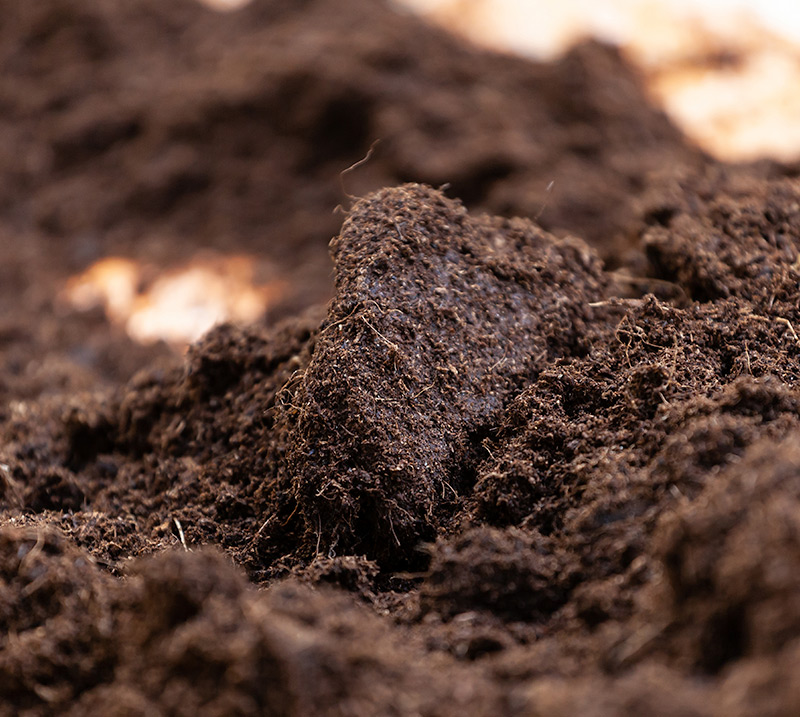
- Algae add organic matter to the soil, improving its structure and promoting microbiological activity.
- Their ability to retain moisture helps reduce the need for irrigation and prevents soil erosion.
- Algae balance the soil pH, enhancing nutrient availability for plants.
Nutritional Properties of Algae
Seaweed contains elevated levels of vitamins and amino acids, essential elements for healthy plant development. Additionally, their supply of essential trace elements strengthens the growth and nutrition processes of crops, leading to more robust, vigorous, and productive harvests.

Supply of Essential Trace Elements
Algae are a rich source of essential trace elements like iron, zinc, manganese, and copper, necessary for optimal plant development. These nutrients help correct soil deficiencies and enhance the absorption of water and nutrients by plants, increasing their resistance to adverse conditions.

Impact on Soil Life
Using seaweed as fertilizer benefits not only plants but also positively influences soil life. Algae provide organic matter and nutrients that foster microbiological activity, improve soil structure, increase moisture retention, and promote biological diversity.
Varieties of Algae Used in Fertilization
Algae has been used as a natural, sustainable, and renewable fertilizer since ancient cultures. It is documented that even during Roman times, algae were incorporated into crops.
Coastal farmers collected seaweed from the shores and transported it to their fields, knowing that algae are rich in essential nutrients like nitrogen, phosphorus, potassium, and a variety of micronutrients, which also help improve soil structure by increasing water retention and aeration.

The Unique Value of Macrocystis pyrifera in Agriculture
At Ficosterra, we know that not all seaweed has the same agronomic value. In this post, we want to share the unique value that Macrocystis pyrifera, a giant kelp from the family Laminariaceae, brings to agriculture. This kelp forms extensive underwater forests in the North and South Pacific Ocean waters (excluding the warm waters of Ecuador), Australia, South Africa, the Falklands, and Tasmania. At Ficosterra, we bet on this type of brown algae from the genus Macrocystis and incorporate them into our biostimulants and biological fortifiers. Many of you may wonder why. Here are the reasons:
- It is the algae with the fastest vertical growth (60 cm/day in summer and 15 cm/day in winter) and can reach heights of over 40 meters.
- Over 250 species live around its canopy, contributing rich biodiversity and nutrients that it assimilates through each of its cells.
- It is the only algae that stores nutrients in its basal part and uses them to defend and continue growing under adverse conditions (lack of nutrients, temperature changes, lack of light in winter, etc.).
- It is always submerged: rarely exposed to tidal differences, so it does not bleach or dry out from sun exposure. It is the only algae that secretes a mucilage called fucoidan, protecting it from solar desiccation, especially when the canopy floats on the water’s surface.
- It contains the highest quality alginates that provide structure and support in the areas where it lives.
- It is harvested from fishing boats by cutting the canopy, allowing the individual/algae to continue growing without damage (like tree pruning), a sustainable system that opens light spaces, enabling biodiversity under its canopy and the growth of new fronds.
Ficosterra has developed various technologies to extract these properties and incorporate them into their biostimulants, contributing to more sustainable agricultural practices with zero environmental impact.
Different Ways to Use Algae as Fertilizer
Algae are used in agriculture in many ways, offering significant benefits for plant growth and soil quality.

Foliar Fertilizers and Biostimulants
Algae-based foliar fertilizers are applied directly to plant leaves, providing nutrients quickly and effectively.
Algae biostimulants applied to the soil through fertigation stimulate plant growth and development, improving their internal structure and strengthening their resistance to diseases.

Liquid Organic Fertilizers
Liquid organic fertilizers made from algae are a rich source of essential nutrients that naturally promote plant growth.
These liquid fertilizers can be easily applied to the soil or plant roots, increasing nutrient absorption, and improving overall plant health.
Applications in Sustainable Agriculture
In the context of sustainable agriculture, algae are essential for maintaining a proper balance in the agricultural ecosystem, promoting responsible and environmentally friendly practices.
The use of algae as fertilizer in sustainable agriculture helps reduce reliance on harmful chemical fertilizers, favoring soil health and biodiversity in crops.

Effect of Algae on Soil Structure
Algae have a significant impact on soil structure, providing benefits that improve plant growth conditions. Let us see in detail how algae influence soil structure through moisture retention, organic matter supply, and pH correction.

Improvement of Moisture Retention
Algae helps improve the soil’s ability to retain moisture, which is crucial for proper plant development.
Their action on water retention allows plant roots to access moisture more efficiently, favoring growth.
This characteristic is especially beneficial in areas and soils affected by drought, where algae can help maintain optimal moisture levels in the soil.

Organic Matter Supply to Soil
Algae adds a significant amount of organic matter to the soil, enriching it with beneficial substances for plant fertility and nutrition.
Organic matter from algae contributes to forming a healthier soil structure, promoting microbial activity and soil biodiversity.
This supply of organic matter is essential to maintain fertile soil over time, allowing better crop development.

Contribution to Soil pH Correction
Algae can help correct soil pH, balancing acidity or alkalinity and creating an optimal environment for plant growth.
Their ability to modify soil pH allows plants to absorb soil nutrients more efficiently, improving health and productivity.
This pH correction action is crucial to avoid nutritional imbalances in plants and promote harmonious development.

Practical Applications in Agriculture
Algae have become fundamental allies for agriculture, offering significant benefits for crop growth.
If you are interested in applying seaweed extracts to your crops, we recommend visiting our product and success stories page, where we explain all the details.
Impact of Algae on Crop Productivity
Incorporating seaweed extracts into crops as fertilizer has also been shown to increase crop productivity. Their nutritional contribution and ability to strengthen plants have led to more abundant and higher-quality harvests. We invite you to learn about Ficosterra’s Success Stories, recognized by the United Nations Ocean Innovation Challenge, where productivity increases of up to 20% have been achieved while reducing fertilization by 30%.
Advantages of Using Algae as Fertilizer
- Increased nutrient absorption by plants.
- Improved plant resistance to adverse conditions.
- Reduced use of harmful chemical fertilizers for the environment.
Measures for Proper Algae Application in Agriculture
- Calibrate doses according to the type of algae and plant to be fertilized.
- Apply at times of lower solar incidence.
- Monitor soil pH to optimize nutrient absorption.
Recommendations to Maximize Algae Benefits
- Perform soil analysis before applying algae.
- Combine with other organic fertilizers to enhance the effects.
- Maintain a monitoring program to evaluate impact.
Aspects to Consider in Fertilization
- Avoid excessive application that can cause nutritional imbalances.
- Consider interactions with other phytosanitary products.
- Select high-quality and reliable origin algae to ensure effectiveness.
Environmental Impact and Sustainability of Algae in Agriculture
Algae are not only beneficial for plant growth but also have a positive impact on the environment and agricultural sustainability. Here are the main contributions in agricultural management:

Contribution to Sustainable Agriculture
Algae provide nutrients and improve soil quality naturally, promoting more sustainable agricultural practices in the long term. By reducing reliance on chemical fertilizers, more environmentally friendly agriculture is encouraged.

Reduction of Chemical Fertilizers Use
Using algae as organic fertilizers allows for the reduction of harmful chemical products used in conventional agriculture. This contributes to soil biodiversity preservation and reduces environmental contamination.

Future Perspectives in Algae Fertilization
It is expected that algae fertilization will continue to gain ground in the agricultural sector due to its environmental benefits and effectiveness in improving crops. Ongoing research aims to optimize their use and develop modern technologies to maximize their positive impact on agriculture.
Role of Algae in Future Agriculture
Algae are emerging as key players in tomorrow’s agriculture, offering innovative and sustainable solutions to improve crop productivity. Their integration into agricultural practices represents a step towards a more environmentally friendly and efficient model.
Possible Advances in Research
Continuous research on the use of algae as fertilizers promises to reveal new applications and benefits that could revolutionize how we conceive agriculture. Scientific studies aim to discover even more properties and potentialities of this natural resource.
Exploration of New Agricultural Technologies
The impact of algae in future agriculture goes beyond their use as conventional fertilizers. The possibility of developing technologies that fully exploit the properties of algae opens the door to more efficient and environmentally friendly cultivation methods.