“Expedientes Nº08/25/BU/0017 y Nº08/25/BU/0055
Expansión internacional y consolidación de mercados para Ficosterra
Proyecto de subvención destinadas a financiar proyectos de expansión internacional de las PYMES de Castilla y León (2025), con el objetivo de impulsar su presencia en nuevos mercados exteriores y fortalecer su competitividad a nivel global”

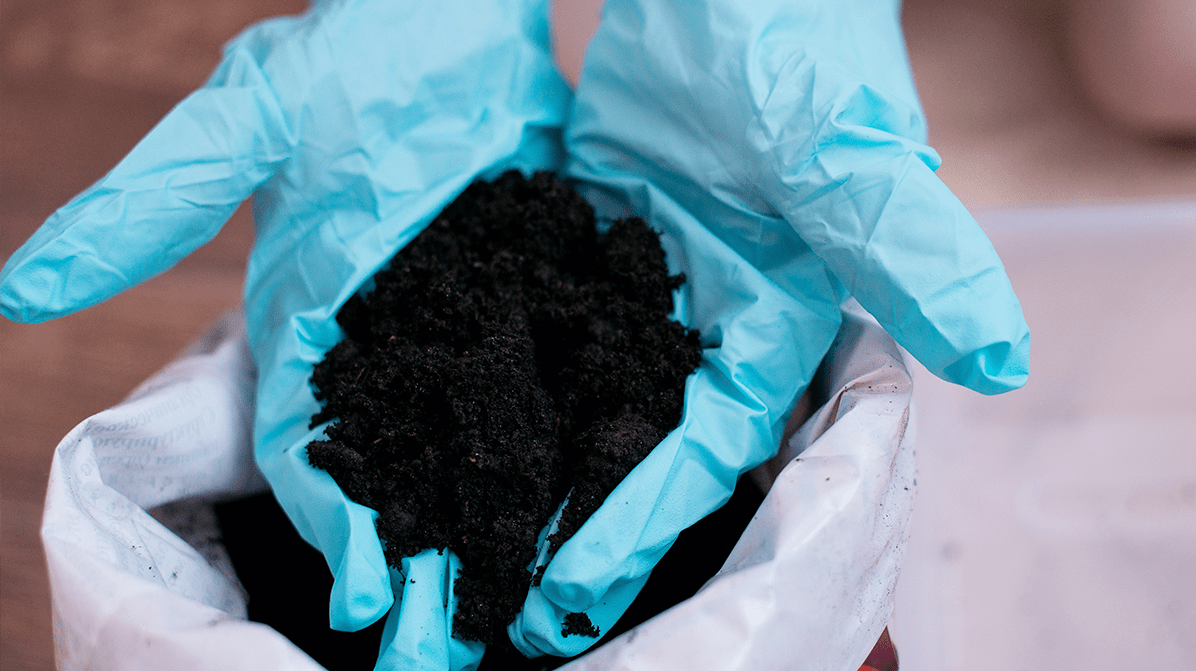
Homemade vs. commercial Bokashi: Which is better?
September 16, 2024The CEO of Ficosterra participates in the 10th International Waters Conference of the Global Environment Facility (GEF)
September 27, 2024Water Use Efficiency in Agriculture (WUE)
Water use efficiency (WUE) is a key indicator in modern agriculture, especially regarding climate change and water resource scarcity. This concept, which measures how much water absorbed by plants is converted into useful biomass, is essential for ensuring the sustainability of crops on a planet with limited water resources. Throughout this article, we will explore the importance of water use efficiency, how biostimulants like Rhizome from Ficosterra improve this efficiency, and how climate change increases the need to optimize water use in agriculture.

What is Water Use Efficiency in Agriculture?
Water Use Efficiency (WUE) in agriculture refers to the amount of biomass produced by plants per unit of water consumed. According to studies published in ScienceDirect, a plant is considered efficient if it maximizes water use for its growth, reducing losses due to evaporation, runoff, or deep infiltration.
Factors influencing
Water Use Efficiency
Several factors influence water use efficiency in agricultural systems. These can be modified through appropriate practices and the use of advanced technologies:

Soil Type: Soils with good water retention capacity, such as clay soils, allow for greater efficiency.

Climate and Environmental Conditions: In
arid climates, evaporation is higher, reducing water efficiency.

Irrigation Method: Drip irrigation, for example, allows for more precise
water application, minimizing losses.
Technologies and
practices to improve WUE
Optimizing water use in agriculture can be achieved through various strategies and technologies.
Drip Irrigation
and Smart Systems
Drip irrigation, combined with soil moisture sensors, is one of the most effective methods to improve WUE. This method delivers water directly to the roots, minimizing evaporation losses. Sensors allow for real-time irrigation adjustments, ensuring that plants receive only the necessary amount of water.


Evaporation Control
Reducing evaporation is also key to increasing water use efficiency. According to studies in Frontiers in Plant Science, direct evaporation from the soil can represent a significant water loss. Using plant covers can reduce this evaporation, conserving more water in the soil for plants.
The Role of Biostimulants
in Improving Water Efficiency
Biostimulants, such as Rhizomare from Ficosterra, play a fundamental role in improving WUE, helping plants make better use of available water.

What is Rhizomare from Ficosterra?
Rhizome is a soluble powder biostimulant that combines the active principles of seaweed with bacterial inoculants. Rhizome provides both prebiotic elements (seaweed) and probiotics (microorganisms) that achieve nitrogen fixation and the solubilization of phosphorus, potassium, and iron. The concentration of brown algae provides the crop with a large amount of trace elements and alginates that allow it to better cope with abiotic stress situations. This product is designed to improve soil health, stimulate root growth, and increase the plant’s ability to absorb water and nutrients, which in turn improves its resistance to water stress.
Improvement of soil structure and root development
Rhizome promotes the activity of beneficial microorganisms in the soil, resulting in improved soil structure and its ability to retain water. This allows plants, through more robust and extensive root systems, to explore deeper soil areas, accessing underground water reserves that would normally be out of reach.


Increased tolerance to water stress
The use of Rhizome has been shown to significantly increase water stress tolerance in various crops, which is especially important in the context of climate change. By improving soil structure and strengthening roots, plants can withstand longer periods without irrigation or with less water without negatively affecting their yield.
Sustainable practices
to optimize water efficiency
Integrating products like Rhizomare with sustainable agricultural practices is a key strategy to improve water use efficiency:

Crop Rotation
Rotation helps improve soil structure and its water retention capacity.

Direct Seeding
This technique minimizes soil disturbance, conserving more moisture.

Real-Time Water Monitoring:
The use of technological tools, such as moisture sensors, allows for precise irrigation adjustments, avoiding water waste.
Impact of climate change
on water efficiency
Climate change is directly affecting water availability and distribution. Higher temperatures increase evaporation, while more unpredictable rainfall patterns make irrigation planning difficult. Studies have shown that climate change reduces water efficiency in crops, especially in regions more vulnerable to drought.

Importance in climate change
Climate change is exacerbating challenges related to water availability, as noted in research in Frontiers in Plant Science. Rising temperatures, along with variability in rainfall patterns, increase evaporation and reduce water availability in the soil. This makes improving WUE critical for agricultural adaptation.
The role of WUE in climate mitigation
Improving WUE is a crucial strategy for adaptive agriculture in the context of these changes. By ensuring that every drop of water is used optimally, the negative impacts of climate change can be minimized, improving the resilience of agricultural systems.
Conclusion: The importance of WUE and Rhizome in an uncertain climate future
Water use efficiency is an essential component of agricultural sustainability, especially in a world where climate change and water scarcity are growing threats. Products like Rhizomare from Ficosterra play a fundamental role in improving WUE by strengthening plants’ ability to use water more efficiently. With advanced technologies, smart agricultural practices, and innovative biostimulants, it is possible to improve the sustainability and productivity of crops, even under adverse climatic conditions.


Frequently asked questions about Water Use Efficiency and Rhizome
What is water use efficiency?
It is the measure of how much water applied to a crop is used for its growth and how much is lost in the process.
Why is WUE important in climate change?
Climate change increases evaporation and reduces water availability, making it essential to improve WUE to maintain agricultural production.
How does Rhizome improve water use efficiency?
Rhizome improves root development and soil structure, allowing plants to absorb more water and better withstand drought periods.
What role do biostimulants play in sustainable agriculture?
Biostimulants improve plants’ ability to withstand environmental stress, using water and nutrients more efficiently.
How does climate change affect water efficiency?
Rising temperatures and variability in rainfall patterns reduce water efficiency, making it more necessary to use technologies and products that optimize available water.
Want to know more about how to improve the productivity of your crops?
Contact our technical department at ensayos@ficosterra.com, and we will advise you on how to increase the productivity of your crops while reducing conventional fertilization, in line with European policies.
