“Expedientes Nº08/25/BU/0017 y Nº08/25/BU/0055
Expansión internacional y consolidación de mercados para Ficosterra
Proyecto de subvención destinadas a financiar proyectos de expansión internacional de las PYMES de Castilla y León (2025), con el objetivo de impulsar su presencia en nuevos mercados exteriores y fortalecer su competitividad a nivel global”
Bioestimulante ficosagro®: Proven Efficacy in Intensive Crops
February 6, 2020
Ficosterra presents its first technical conference on algae extracts and microbial metabolism
February 14, 2020Sustainable agricultural practices are, today, one of the best solutions to the major challenges of conventional farming. They help reduce the environmental impact of agrochemicals, improve soil health and biodiversity, and promote the efficient use of natural resources such as water and nutrients
What are sustainable farming practices and why are they important?
Sustainable farming practices are techniques designed to balance food production with environmental preservation, ensuring future generations can meet their food needs.
In a global context of climate change and environmental degradation, sustainable practices are crucial for food security and agricultural resilience.

Sustainable farming practices
highlighted in Europe
Europe is paving the way for more sustainable agriculture through innovative practices:

Reducing pesticide use
Biological alternatives for pest control

Soil restoration
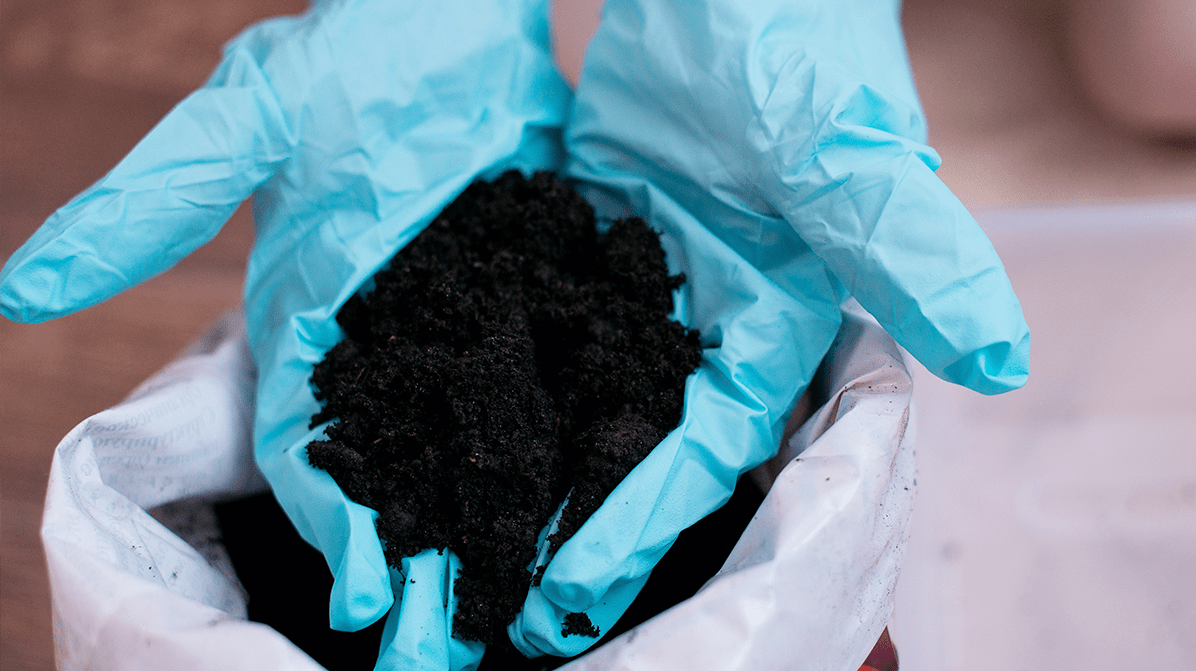
Biofertilizers to improve soil health and prevent erosion

Biodiversity protection
Creating ecological corridors and natural
habitat areas
The role of the CAP and eco-schemes in sustainable agriculture
The Common Agricultural Policy (CAP) of the European Union is a key driver in the transition to sustainability. Eco-schemes, introduced in the CAP Strategic Plans, provide incentives for farmers to adopt climate- and environment-friendly practices.

Key CAP and
EU Green Deal Goals
- Reduce chemical pesticide use by 50% by 2030
- Increase organic farming to 25% of total agricultural land in Europe
- Cut nutrient loss by 50%
These measures not only support farmers but also contribute to the EU’s climate goals
Success stories: sustainable agricultural innovation
Innovation is at the heart of sustainable farming. A standout example is Ficosterra’s Nutrialgae Project. Supported by UNDP/OIC, this project has demonstrated that seaweed and microorganism-based biostimulants can reduce chemical fertilizers by 30% while improving soil health and productivity (up to +20%).

Tangible benefits of sustainable farming
for farmers and the environment
Adopting sustainable practices offers measurable benefits:

For farmers
Increased productivity and long-term cost savings.

For the environment
Improved soil and water quality, reduced greenhouse gas emissions, and biodiversity protection.
How to implement sustainable farming practices
in your environment?
If you’re a farmer or want to contribute to the change, consider these steps:
01
Adopt efficient technologies
Implement precise irrigation and fertilization systems
03
Protect biodiversity
Plant hedges or native flowers to attract pollinators
02
Use organic fertilizers
Reduce reliance on harmful chemicals
04
Educate your community
Share knowledge about sustainability

