


“Expedientes Nº08/25/BU/0017 y Nº08/25/BU/0055
Expansión internacional y consolidación de mercados para Ficosterra
Proyecto de subvención destinadas a financiar proyectos de expansión internacional de las PYMES de Castilla y León (2025), con el objetivo de impulsar su presencia en nuevos mercados exteriores y fortalecer su competitividad a nivel global”
Biostimulants: definition, composition, benefits, and applications
October 11, 2024
El Niño, its impact on global agriculture, and how to mitigate it
October 28, 2024Key changes for the fertilizer and biostimulant industry in Europe
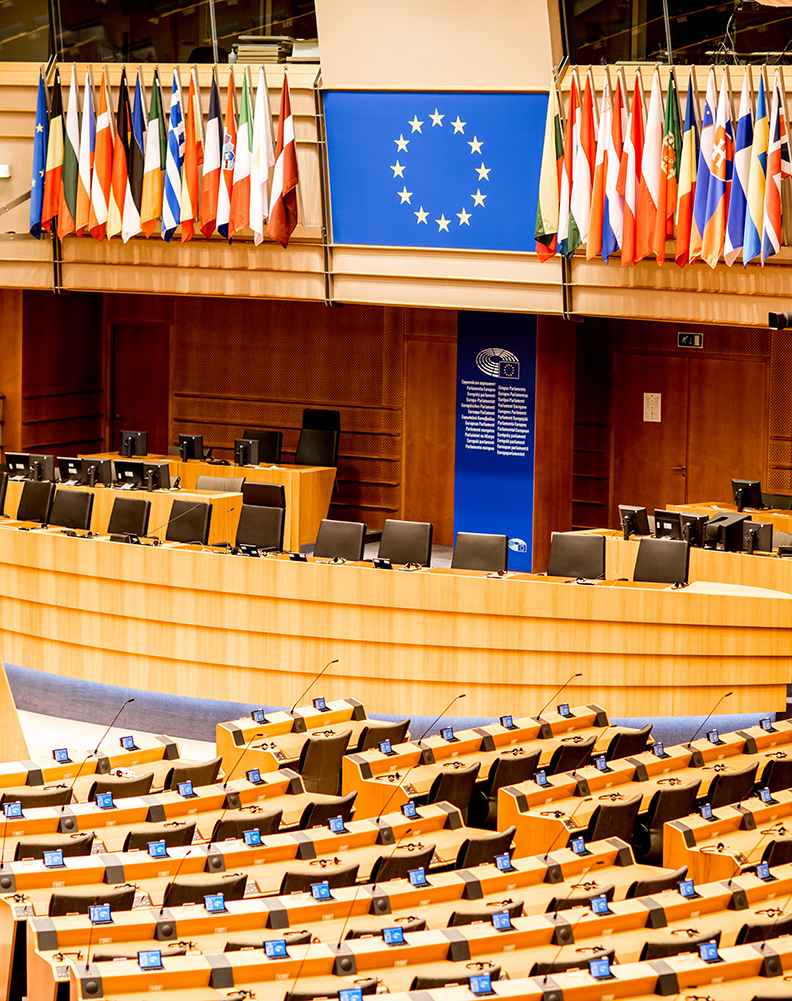
The EU Regulation 2019/1009, which came into effect on July 16, 2022, has brought about a radical change in the regulation of fertilizer products in the European Union. This regulation has created a common regulatory framework for all fertilizers marketed within the European market, covering not only traditional fertilizers but also a broader range of innovative products, such as biostimulants. Its goal is to strengthen the circular economy, reduce dependence on external inputs, and promote agricultural sustainability across Europe.
In this article, we analyze the key aspects of the regulation, the differences with its predecessor, and its impact on the fertilizer industry, particularly in the rapidly growing biostimulant sector. Additionally, we will explore how Ficosterra’s products, a leading company in the manufacture of seaweed extract biostimulants, fully complied with this legislation, setting the standard in innovation and sustainability.

Key points of EU
Regulation 2019/1009
The EU Regulation 2019/1009 introduces a broader and more uniform regulatory framework for all fertilizer products marketed within the European Union. Its main novelty is the inclusion of new product categories, such as biostimulants and fertilizers made from recycled raw materials, in line with the Circular Economy objectives.
The regulation, available in the Official Journal of the European Union (OJEU), aims to ensure that fertilizer products are safe, effective, and contribute to sustainable development in European agriculture. The full regulation can be consulted on EUR-Lex, where specific safety and labeling requirements for each type of product are detailed.
Main
innovations
01
Regulation for new products
The regulation includes, for the first time, products aimed at improving crop nutritional efficiency, such as biostimulants.
02
Common rules for the entire EU
All fertilizer products, regardless of their origin or type, must meet the same quality, labeling, and safety requirements.
03
Promotion of the Circular Economy
The use of secondary raw materials, such as bio-waste and by-products, is encouraged to reduce dependence on raw materials from third countries and promote sustainability within the EU.
All technologies developed by Ficosterra are aligned with the new European regulations, prioritizing environmental sustainability without compromising crop productivity. Our products are certified organic and registered under PFC6, allowing their sale as biostimulants in the 27 EU countries.
Ficosterra’s products, designed to maximize nutrient use efficiency and improve crop sustainability, not only meet the standards set by EU Regulation 2019/1009 but also lead innovation in biostimulants.
To learn more about biostimulants, their composition, benefits, and applications, we invite you to visit this article that details the topic in depth.
Differences with the
previous regulation (EU 2003/2003)
The EU Regulation 2003/2003, replaced by this new regulation, only regulated inorganic fertilizers and lime amendments. In contrast, EU Regulation 2019/1009 introduces a broader structure with up to seven functional product categories (CFP), each with specific functions in agriculture:
- CFP1: Fertilizers (inorganic, organic, and organomineral)
- CFP2: Lime amendments
- CFP3: Soil amendments
- CFP4: Growing media
- CFP5: Inhibitors
- CFP6: Plant biostimulants
- CFP7: Fertilizer product blends
Inclusion of
biostimulants
One of the major innovations of EU Regulation 2019/1009 is the introduction of the CFP6 category, which regulates plant biostimulants. These products, not included in the previous regulation, play a key role in improving nutrient efficiency, abiotic stress tolerance, and crop quality.
Ficosterra, with its entire range of natural origin biostimulants, already operates within this new regulatory framework, providing products designed to improve soil health and nutrient efficiency, complying with the strict safety and efficacy requirements established by the new regulation.


Ficosterra and the
Circular Economy
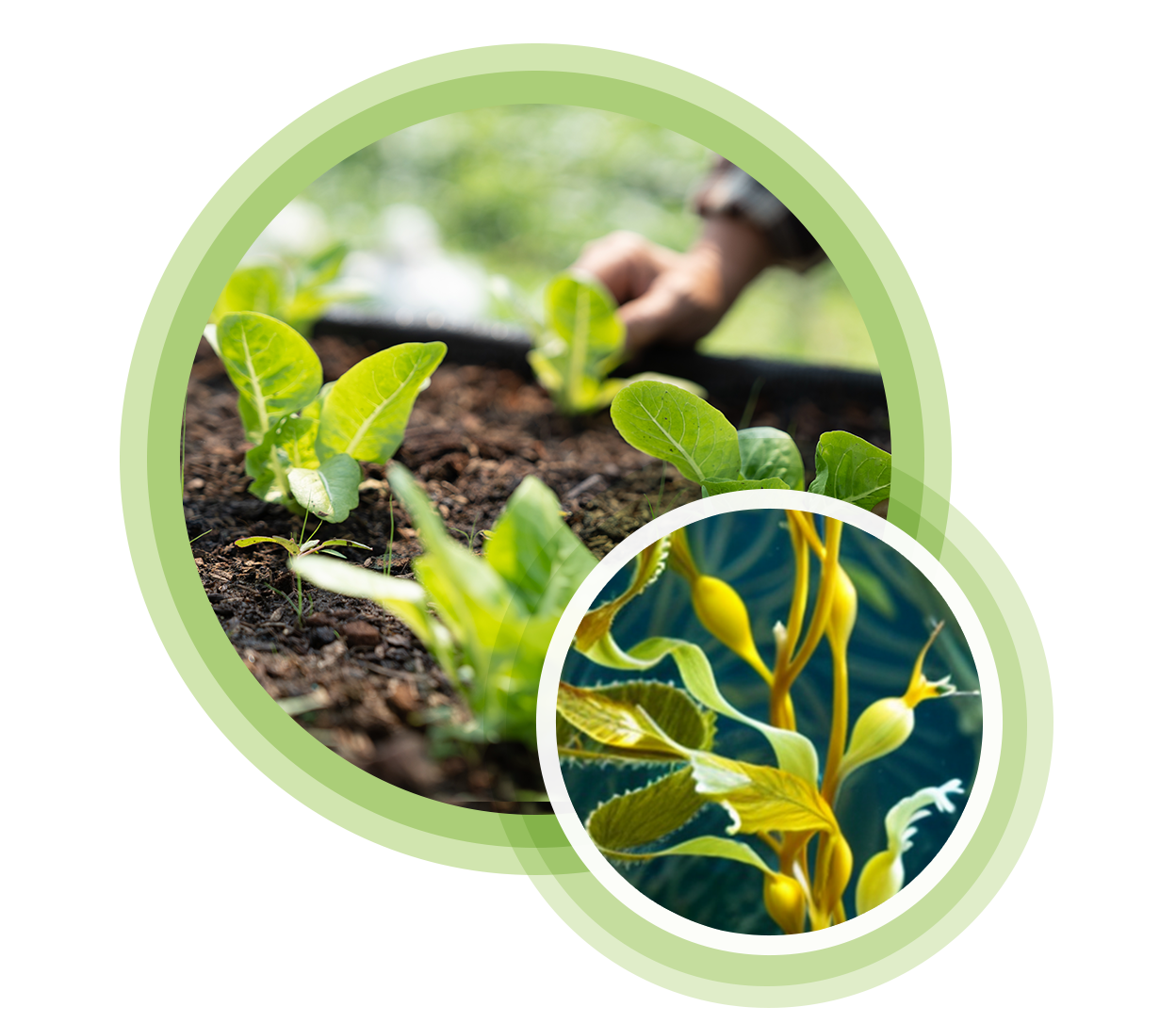
Ficosterra aligns perfectly with the regulation’s objectives and the Circular Economy. The company has developed products based on seaweed, microorganisms, and natural-origin by-products that allow better use of available resources, promoting agricultural self-sufficiency in the EU and reducing the need for conventional fertilizers. Ficosterra’s products are an ideal choice for farmers seeking to comply with European standards while improving the sustainability of their crops without increasing costs or sacrificing productivity.
For more information on how biostimulants can help improve the sustainability and performance of crops, you can take a look at this article about their benefits and applications.
Impact of the regulation on the biostimulant sector
The new regulatory framework has placed special emphasis on biostimulants, a sector expected to grow at an annual rate of over 12% between 2021 and 2027. This regulation not only governs the marketing of these products but also introduces efficacy testing requirements that companies must meet to declare agronomic benefits on the label.


Evaluation and certification process
Unlike the previous regulation, the new regulation requires companies to scientifically demonstrate the efficacy of biostimulants. Tests must show a statistically significant effect on crops for products to be marketed, with precise information on the label. This measure adds value to evaluated products and increases farmers’ confidence in the quality of the products they purchase.
Ficosterra products: guarantee of efficacy and compliance with regulation
All Ficosterra biostimulants have undergone rigorous efficacy testing by research centers such as CSIC and universities (national and international) to comply with the new EU requirements. This ensures that the benefits claimed in their products, such as improved nutrient use efficiency and abiotic stress tolerance, are backed by solid scientific studies, providing farmers with the assurance that they are using high-performance products that comply with the legislation.
To learn more about the effects and applications of biostimulants in agriculture, consult EUR-Lex and the 2024 update in the OJEU, which introduces some modifications to the original regulation, adjusting its provisions to new technological and scientific advances.


Restrictions for
microbial biostimulants
Although EU Regulation 2019/1009 includes a specific subcategory for microbial biostimulants (CFP 6A), the regulation limits the use of microorganisms to only four species: Azotobacter spp., Rhizobium spp., Azospirillum spp., and mycorrhizal fungi. This restriction has generated controversy, as it excludes many microorganisms already used by different European companies. It is expected that this list will be expanded in the future as more success stories are obtained in diverse types of crops.
Ficosterra’s commitment to research and development
Ficosterra continues to invest in research and development, working to expand the use of microorganisms in its biostimulants within the framework allowed by the regulation. Its focus on biotechnological innovation has enabled it to quickly adapt to new regulations and continue leading the European market with advanced products that meet the highest regulatory standards.


Coexistence of the regulation with spanish legislation
Although EU Regulation 2019/1009 harmonizes regulations at the European level, national legislation still plays a key role. Manufacturers can choose to continue complying with their own country’s laws or adhere to European standards. In Spain, for example, biostimulant fertilizers were already regulated by Royal Decree 506/2013, which was updated in 2017 to include microorganism-based products.
This coexistence of regulations offers flexibility to manufacturers, allowing them to adapt according to the market in which they operate, but also adds complexity when marketing their products in multiple countries.
Ficosterra and compliance with national and international legislation
Ficosterra’s products are designed not only to comply with European regulations but also with national legislation. This ensures that farmers, regardless of their location, can trust that Ficosterra’s products comply with all current regulations, both locally and at the European level.

Conclusions
EU Regulation 2019/1009 has revolutionized the fertilizer market in Europe, providing a clear and uniform framework that promotes sustainability, quality, and innovation. With the inclusion of products such as biostimulants and the promotion of the circular economy, the new regulation drives more efficient and environmentally friendly agriculture.
Fertilizer and biostimulant manufacturers must adapt to this new regulatory framework, which imposes stricter evaluation and certification requirements. Although it presents challenges, this regulation also offers opportunities for the development of innovative products that can help meet the EU’s ambitious environmental goals.
Ficosterra as a benchmark
in compliance and efficiency
Ficosterra’s products not only comply with the strict requirements of EU Regulation 2019/1009 but also lead the way towards more sustainable and efficient agriculture. Thanks to its innovative approach, based on biotechnology and the use of natural resources, Ficosterra offers European farmers a range of products that comply with legislation and improve productivity while protecting the environment.

FAQs about EU regulation 2019/1009
1. What products does EU Regulation 2019/1009 regulate?
The regulation governs a wide range of fertilizer products, including inorganic, organic fertilizers, biostimulants, and soil amendments.
2. What are the main innovations of the regulation?
The inclusion of new functional product categories and the regulation of biostimulants are the main innovations.
3. What impact does it have on biostimulants?
Biostimulants must undergo efficacy testing to ensure their effectiveness before they can be marketed.
4. How does it affect microbial biostimulant manufacturers?
The regulation limits the use of microorganisms to four species, which has generated some criticism.
5. Will this regulation coexist with national laws?
Yes, manufacturers can choose to comply with national laws or with European regulations.
6. What benefits does this regulation bring to sustainable agriculture?
It encourages the use of recycled raw materials and promotes more efficient products that help reduce the use of chemical fertilizers.